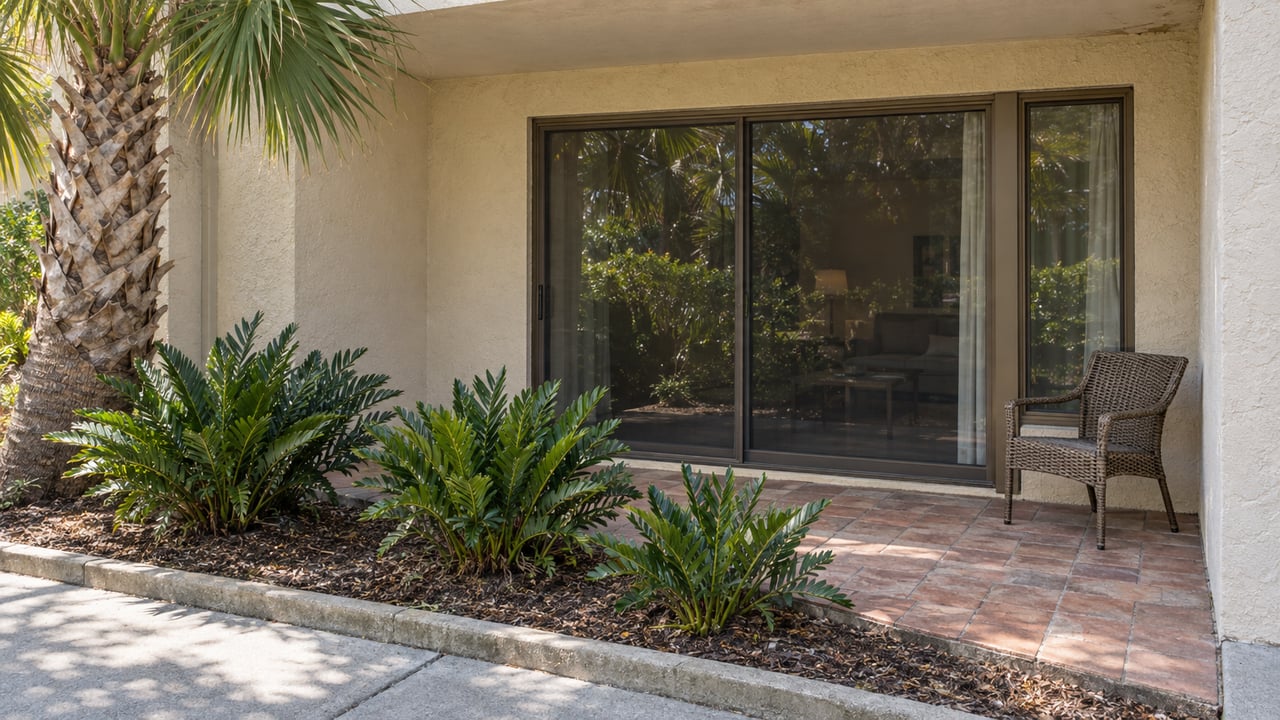
A buyer walks into a two-bedroom on the fourth floor of a 1980s tower near Bayshore Drive. New quartz counters, refinished floors, a balcony that catches the afternoon light off the bay. The unit checks every box. Three weeks later, the loan officer calls with a problem that has nothing to do with the unit at all: the building sits on a restricted list, and the lender won't touch it.
That call is happening more often in St. Petersburg in 2026 than it did even a year ago, and it is happening for a reason most buyers do not see coming. Since January 1, 2026, Florida condo associations statewide have lost the ability to vote their way out of funding structural reserves. The bill for decades of underfunded roofs, balconies, and load-bearing walls has come due across the state, and St. Petersburg's coastal condo stock, much of it built in the 1970s and 1980s, is sitting squarely in the middle of it.
The old advice was to shop the unit first and worry about the association later. That advice is now backwards.
The Building Decides Before the Bank Does
Two state laws, Senate Bill 4-D and its follow-up Senate Bill 154, created two separate requirements for any condominium building three habitable stories or taller: a Milestone Inspection, which is a structural safety check performed by a licensed engineer, and a Structural Integrity Reserve Study, known as a SIRS, which is a financial document that calculates how much money the association needs to be setting aside for eight specific structural components. As of January 1, 2026, associations can no longer vote to waive or shrink those reserve contributions the way they did for years to keep monthly dues artificially low.
That single change is why a clean unit in an underfunded building can now become unfinanceable. Fannie Mae maintains a list of condo projects that fail its review standards, and buildings that haven't completed their SIRS, or that show reserves far below what the study requires, can land on it. Industry reporting this year puts the number of Florida buildings currently sitting on that restricted list above 1,400. A building on the list is classified as non-warrantable, which means the standard conventional loan most buyers plan to use simply isn't available there, no matter how strong the buyer's own credit looks.
Fannie Mae tightened the screws further in March 2026, retiring the lighter "Limited Review" path for established buildings and raising the reserve threshold lenders check for. More of the underwriting decision now rests on the association's paperwork than it used to.
What St. Petersburg's Own Numbers Already Showed
This isn't an abstract statewide problem dropped onto St. Petersburg from Tallahassee. The city has been tracking its own compliance gap for a while.
Don Tyre, the city's Building Official Manager, told local media that St. Petersburg has 225 condo buildings that fall under the milestone inspection requirement because they sit within three miles of the coast. In the summer of 2024, as the first inspection deadline approached, only about a third of those buildings had actually completed the process. Tyre pointed to The Detroit, an older downtown building, as an example of what these inspections are built to catch: balcony repairs that needed to happen before they became a safety issue. As he put it, the inspections exist "to protect the occupants and give them peace of mind" that a building is being maintained through its full life, not just its ribbon-cutting decade.
That compliance lag matters for a 2026 buyer for a simple reason: a building that was slow to inspect was often also slow to fund. Governing document trackers following this issue estimate that more than half of eligible Florida condos still had not completed their SIRS as of early 2026, well past the original deadline. If a St. Petersburg building you're considering is one of them, you are not buying into a paperwork delay. You're buying into deferred financial planning that the association now has to catch up on all at once.
The Five Documents Worth Asking For Before You Write an Offer
Florida law entitles a prospective buyer to request an association's financial and inspection records before making an offer. The documents themselves aren't complicated. Knowing what each one is actually telling you is where most buyers get lost.
| Document | What it actually tells you |
|---|---|
| Milestone Inspection report | Whether a licensed engineer found structural deterioration, and whether the building needed a Phase 2 forensic follow-up |
| Structural Integrity Reserve Study (SIRS) | The percent funded for each of the eight structural components, and the remaining useful life of each one |
| Current budget | Whether the association's stated reserve contributions actually match what the SIRS says is required, post-January 2026 |
| Board meeting minutes (recent) | Whether a special assessment has been discussed, even informally, before it becomes official |
| Written answer on pending assessments | A direct statement from the association on anything already approved or actively being considered |
The SIRS is the one worth slowing down on. It reports a percent-funded figure for each structural component, and that number is the closest thing to a crystal ball a buyer gets. A component above 70% funded is generally read as low risk. Between 30% and 70% usually means measured dues increases are coming. Below 30% is where a special assessment stops being a possibility and starts being an expectation.
Reported special assessments tied to this wave of compliance have ranged from the low five figures to well over $100,000 per unit on buildings with serious structural findings. That range is wide enough that the SIRS number, not the listing price, is often the real determinant of what a unit will cost its owner over the next five years.
Why This Also Changes the Seller's Side
If you own a St. Petersburg condo in a building built before the mid-1990s, the instinct to wait until a buyer asks for the SIRS is a mistake. A clean, current SIRS with reserves that align with the budget is now a selling point in its own right, the kind of detail that lets a listing stand out against a nearby building where the paperwork is murky.
The reverse is also true. A pending or rumored special assessment that surfaces mid-contract, after a buyer's lender has already started underwriting, is one of the more common ways a St. Petersburg condo deal falls apart late. Getting ahead of that with a straightforward answer to the buyer's fifth question on the list above, before it's asked, keeps a transaction on schedule instead of restarting it. If you're weighing whether now is the right window to list, a current home valuation that accounts for building-level compliance is worth more than a comp sheet that only looks at square footage.
For buyers comparing a downtown tower against the lower-density options closer to the bay, the calculation is the same one that applies across St. Petersburg's waterfront housing stock: the unit tells you what you're living in, the building's financials tell you what you're actually buying.
A Few Questions Worth Asking Directly
Does a brand-new condo building need a SIRS too? Yes. The requirement is triggered by height, not age. A tower finished in 2026 still needs a SIRS on file if it's three habitable stories or taller, though the age-based milestone inspection trigger of 25 or 30 years won't apply for decades.
Can an association still delay funding if it just finished a milestone inspection? In narrow cases, yes. An association that has completed a required inspection can pause SIRS reserve contributions for up to two budget years to prioritize funding repairs the inspection identified, but a new SIRS is required before regular contributions resume.
Is a special assessment always a red flag? Not automatically. A completed assessment tied to a finished, documented project can actually be a sign of a board doing its job. The concern is a pending or undisclosed one that surfaces after you're already under contract.
If you're weighing a St. Petersburg condo purchase or wondering how these rules affect a unit you already own, the Kathie Lea Team can walk through the specific building's documents with you before you write an offer or sign a listing agreement. Start Your Home Search today and bring the paperwork questions to us first.