Living downtown sounds exciting, but condo ownership in Downtown St. Petersburg comes with a very specific rhythm. You are not just buying square footage. You are choosing a walkable, waterfront lifestyle shaped by your building, your association, and the way you want to spend your time. If you are wondering what day-to-day life actually feels like, this guide will help you picture it clearly. Let’s dive in.
Downtown condo life feels urban and waterfront
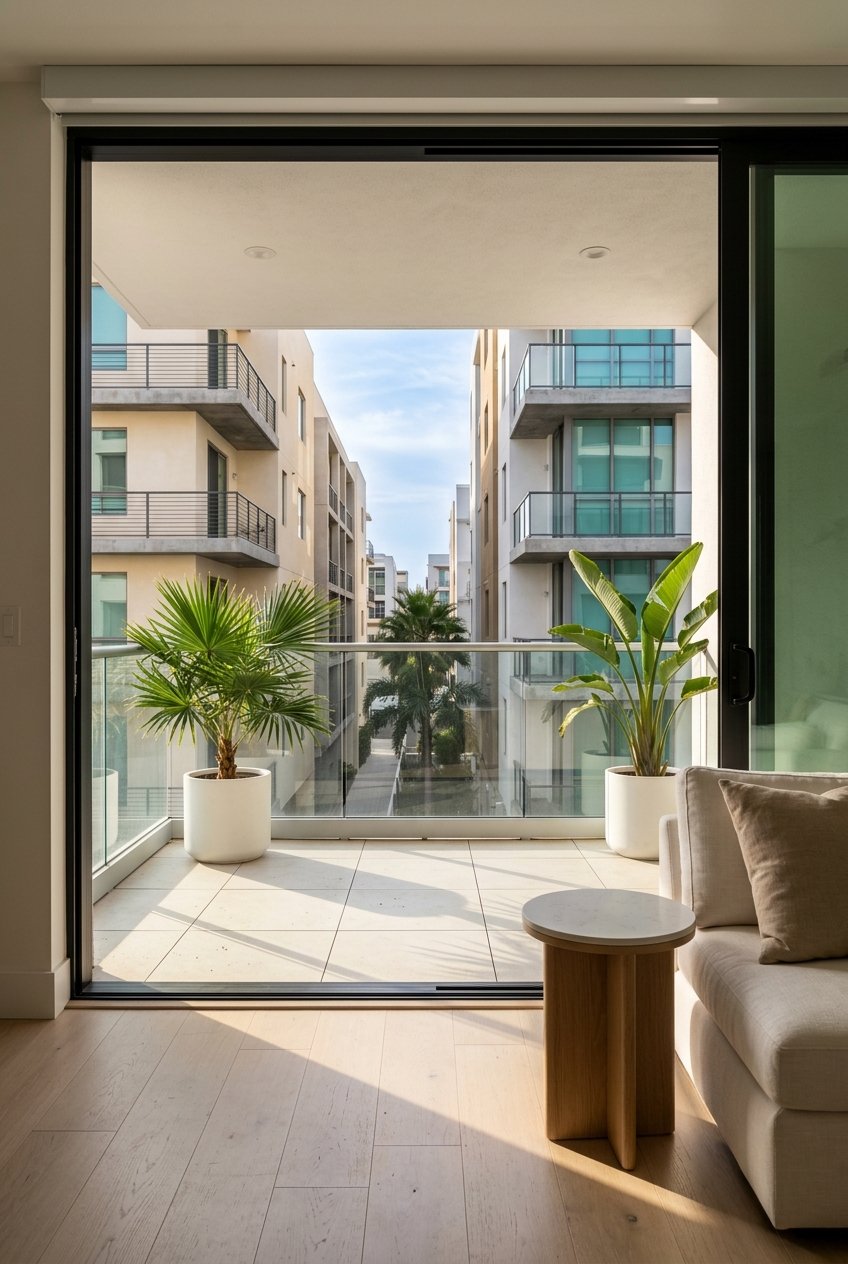
Owning a condo in Downtown St. Petersburg usually means your lifestyle shifts from yard work and driveway space to walkability, convenience, and access. The city describes downtown as pedestrian-friendly, and free trolley service helps connect many of the places residents use most often.
In practical terms, you may find yourself walking more and driving less for everyday fun. Dinner, coffee, museums, parks, and waterfront spots can feel closer to your routine than they would in a more spread-out neighborhood.
The area also works less like one single district and more like several connected urban pockets. Downtown planning materials describe it as dense, mixed-use, and infill-oriented, which helps explain why one block can feel polished and high-rise while another feels more artsy, historic, or tucked away.
Condo buildings vary more than many buyers expect
One of the biggest surprises for buyers is how different downtown condo buildings can be from one another. Downtown St. Pete is not a one-style condo market. You will find historic conversions alongside sleek modern towers, and that affects both the feel of the property and the ownership experience.
Examples in the current market range from Mt. Vernon, a former 1919 hotel converted into boutique residences, to larger modern towers like Ovation, 400 Beach Drive, and One St. Petersburg. That mix gives buyers real options, but it also means you need to compare buildings carefully instead of assuming every downtown condo offers the same lifestyle.
Some buyers want a boutique feel with character and fewer residences. Others want a taller tower with a more amenity-rich setup and a more contemporary design. Neither is automatically better. It depends on what matters most to you.
Amenities depend on the building
Amenities in Downtown St. Petersburg condos are highly building-specific. Current listings show a wide range of features, including gated or underground parking, fitness centers, community rooms, pools, spas, courtyards, bike and kayak storage, dog runs, pet wash stations, concierge service, valet parking, rooftop pools, lounges, libraries, and clubrooms.
That means condo shopping downtown is often about trade-offs. One building may offer strong parking and storage but fewer social spaces. Another may have standout amenities but a different monthly cost structure or a more formal association environment.
If you are buying here, it helps to decide early what matters most. For example, you may care most about secure parking, a fitness center, pet features, or whether the building feels lock-and-leave for part-time use.
The waterfront becomes part of your routine
For many owners, the biggest lifestyle benefit is how close the bayfront feels. The St. Pete Pier is a central part of downtown life, and the city describes it as a 26-acre waterfront destination designed for strolling, biking, dining, shopping, swimming, and concerts.
When you live nearby, the waterfront can feel less like a special outing and more like an extension of your home. A casual walk by the marina, time at Spa Beach, or an evening near the Pier can become part of your normal week instead of something you plan far in advance.
That is one reason downtown condo ownership appeals to buyers who want experiences close at hand. You are often choosing access to public spaces and waterfront energy over private outdoor space at home.
Arts, events, and entertainment stay close
Downtown St. Petersburg also puts you near a large share of the city’s arts and cultural destinations. The official downtown map identifies districts such as the Waterfront Arts District, Central Arts District, Edge District, Grand Central District, and Warehouse Arts District.
It also places destinations like The Dalí, the Museum of Fine Arts, the Museum of History, the James Museum, Mahaffey Theater, Palladium, and American Stage within the downtown cultural network. For you as an owner, that can mean an event, exhibit, market, or performance is often within walking or trolley distance.
This is part of what makes condo ownership here feel active. If you enjoy getting out, downtown can support a lifestyle with more spontaneity and less planning around parking, traffic, and long drives.
You may not need your car every day
A major perk of downtown condo living is that many outings do not require a car. The Downtown Looper runs seven days a week, is free, and typically arrives every 15 to 20 minutes around downtown, with stops that include the Vinoy, Sundial, City Hall, the Dalí Museum, the Mahaffey Theatre, the James Museum, the Pier, and North Straub Park.
The Central Avenue Trolley is also free between Grand Central Station and the St. Pete Pier. For many condo owners, that makes it realistic to leave the car parked for dinner, errands, or entertainment.
That said, parking still matters. The Pier alone has more than 500 on-site spaces, plus overflow parking nearby, and peak demand can build on Friday evenings and Saturday afternoons. When you compare condos, parking convenience is often less about whether parking exists and more about how easy it is for your building, your guests, and your normal routine.
HOA living is a major part of ownership
In Downtown St. Petersburg, the condo association is a central part of what you own. Florida condo ownership is more association-centered than owning a detached home, and the association’s rules, budget, records, and maintenance approach can shape your experience in a very real way.
State rules require board meeting notice, longer notice for meetings involving special assessments or rules affecting unit use, and access to official records within 10 working days of a written request. For associations with 25 or more units, key documents like budgets, meeting materials, and inspection reports must also be posted online within 30 days after the association receives or creates them.
For a buyer, this means the HOA packet is not just paperwork. It is part of the property decision. Before you buy, you want to know how the building is run, how transparent the association is, and whether the financial picture supports your comfort level.
Structural rules matter in Florida condos
Florida’s structural safety rules are especially important in condo ownership. Residential condo and cooperative buildings with three or more habitable stories must undergo milestone inspections at 30 years and every 10 years after that, or at 25 years in some local circumstances.
The state also required unit-owner-controlled associations that existed on or before July 1, 2022 to complete a structural integrity reserve study by December 31, 2025. The Florida DBPR makes clear that reserves do not have to be fully funded immediately, but that does not eliminate the possibility of higher dues or special assessments when repairs are needed.
For you, the takeaway is simple. A beautiful lobby or strong view is not enough. You also want to understand the building’s inspection status, reserve planning, and repair outlook before you move forward.
Documents to review before you buy
Because downtown buildings range from historic boutique conversions to tall towers, due diligence matters. A careful document review can help you understand not just the unit, but the building’s long-term condition and operating style.
Before touring seriously or making an offer, key items to review include:
- Declaration
- Bylaws
- Rules and regulations
- Current budget
- Reserve study
- Milestone inspection reports
- Structural integrity reserve study materials
- Recent board meeting minutes
- Insurance information
- Parking assignment details
- Any pending special assessments
This step can give you a clearer picture of monthly ownership, building governance, and potential future costs.
Who condo life fits best
Downtown condo ownership usually works best if you want a low-maintenance, lock-and-leave home base close to the waterfront, restaurants, museums, markets, and events. It can be a strong fit if you value convenience, shared amenities, and the ability to enjoy the city without planning every outing around a car.
It is often a weaker fit if you want a large private yard, abundant private parking, or very little interaction with association rules. In simple terms, a downtown St. Petersburg condo is best understood as an urban convenience lifestyle with a coastal setting, not a suburban home substitute.
What to think about before buying
Before you decide, it helps to ask yourself a few honest questions about how you want to live. Downtown condo ownership tends to be most satisfying when the building and the lifestyle match your habits.
Think about questions like these:
- Do you want to walk to restaurants, events, and the waterfront regularly?
- How important are parking, guest parking, and storage?
- Would you use amenities like a pool, fitness center, or concierge?
- Are you comfortable with HOA rules and shared decision-making?
- Do you want a historic building feel or a newer tower experience?
- Are you prepared to review budgets, reserves, and inspection documents carefully?
If your answers lean toward convenience, access, and low-maintenance ownership, downtown may be a strong match.
Owning a condo in Downtown St. Petersburg can be a great fit if you want a home that supports an active, urban-coastal lifestyle. The key is choosing the right building, understanding the association, and making sure the day-to-day experience matches what you actually want from home. If you are exploring downtown St. Pete or comparing condos across Pinellas County, the Kathie Lea Team can help you navigate the options with clear local guidance.
FAQs
What is everyday life like in a Downtown St. Petersburg condo?
- Everyday life often centers on walkability, waterfront access, nearby dining, cultural attractions, and shared building amenities rather than private yard space.
What kinds of condo buildings are in Downtown St. Petersburg?
- Downtown includes a mix of historic conversions and modern high-rise towers, so building style, size, and ownership experience can vary a lot.
What amenities do Downtown St. Petersburg condos usually offer?
- Amenities vary by building and may include parking garages, fitness centers, pools, spas, lounges, bike or kayak storage, pet features, concierge service, and community rooms.
How easy is it to get around Downtown St. Petersburg without driving?
- Free services like the Downtown Looper and Central Avenue Trolley make it realistic for many owners to leave the car parked for some errands, dining, and entertainment.
What should buyers review before purchasing a Downtown St. Petersburg condo?
- Buyers should review association documents such as the declaration, bylaws, rules, budget, reserve study, milestone and SIRS reports, board minutes, insurance information, parking details, and any pending special assessments.
Are HOA rules important in Downtown St. Petersburg condo ownership?
- Yes, HOA rules and financial management are a major part of condo ownership because they affect building operations, maintenance planning, and your day-to-day experience as an owner.