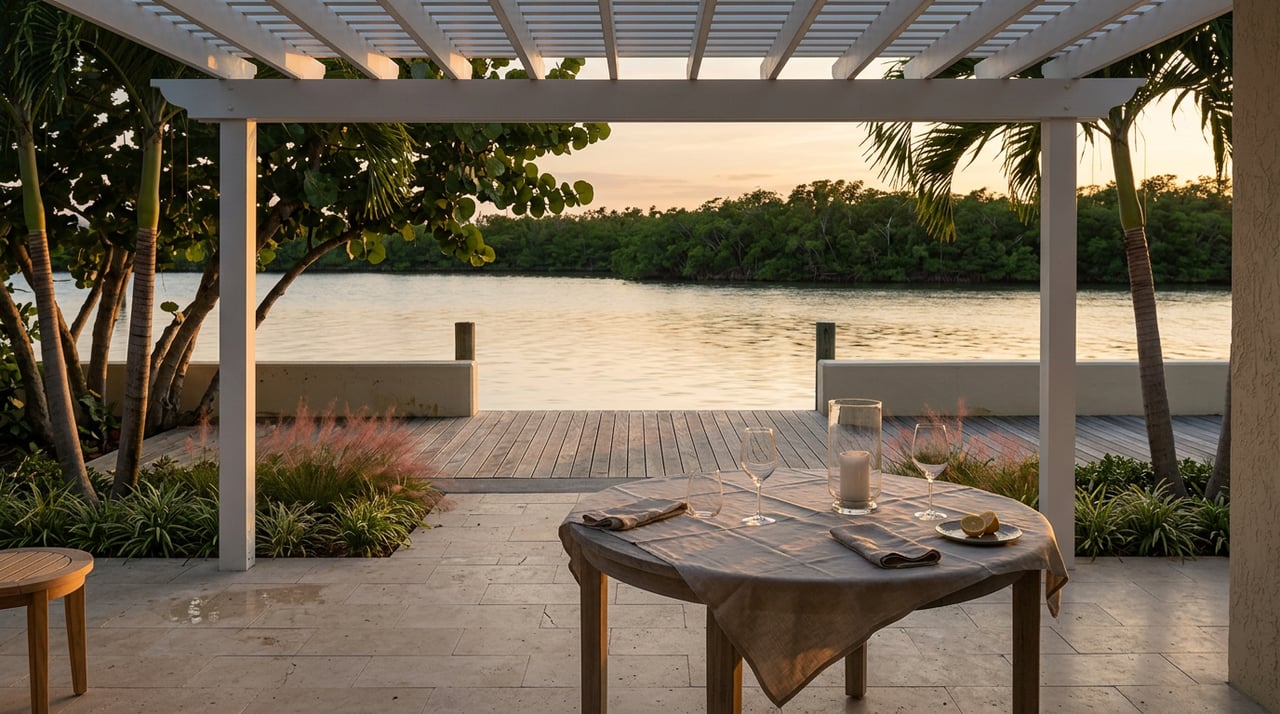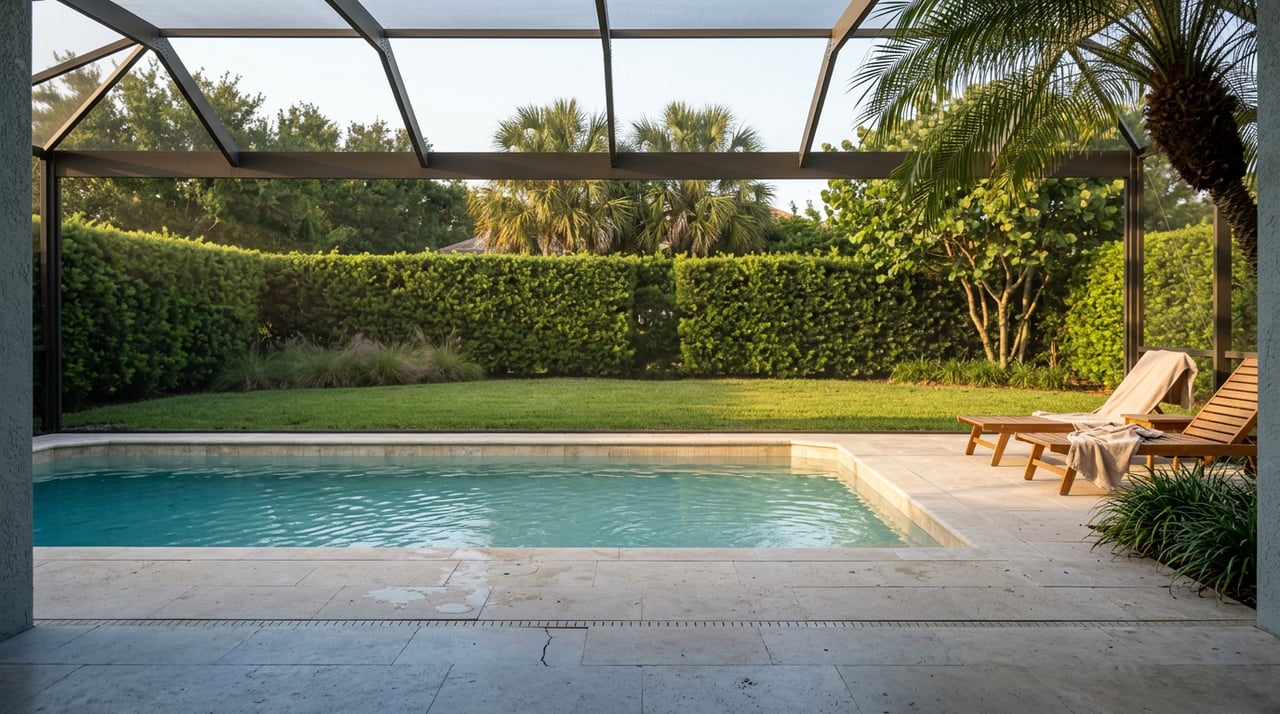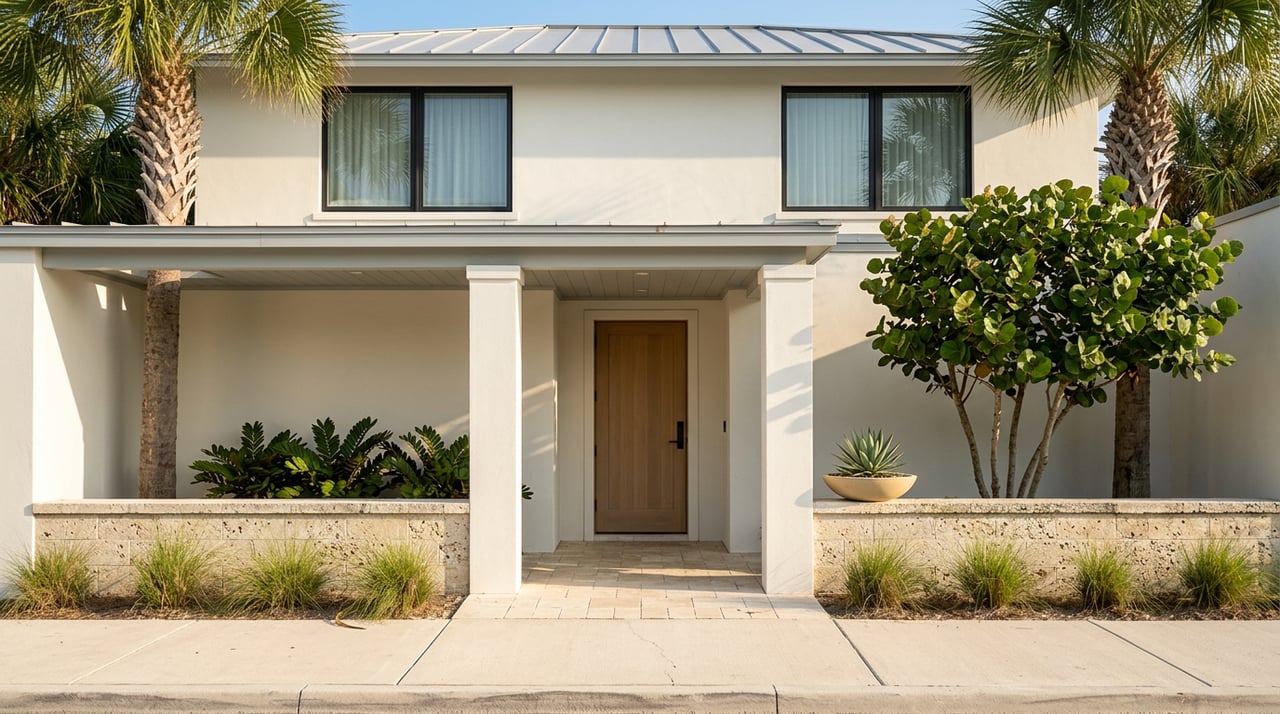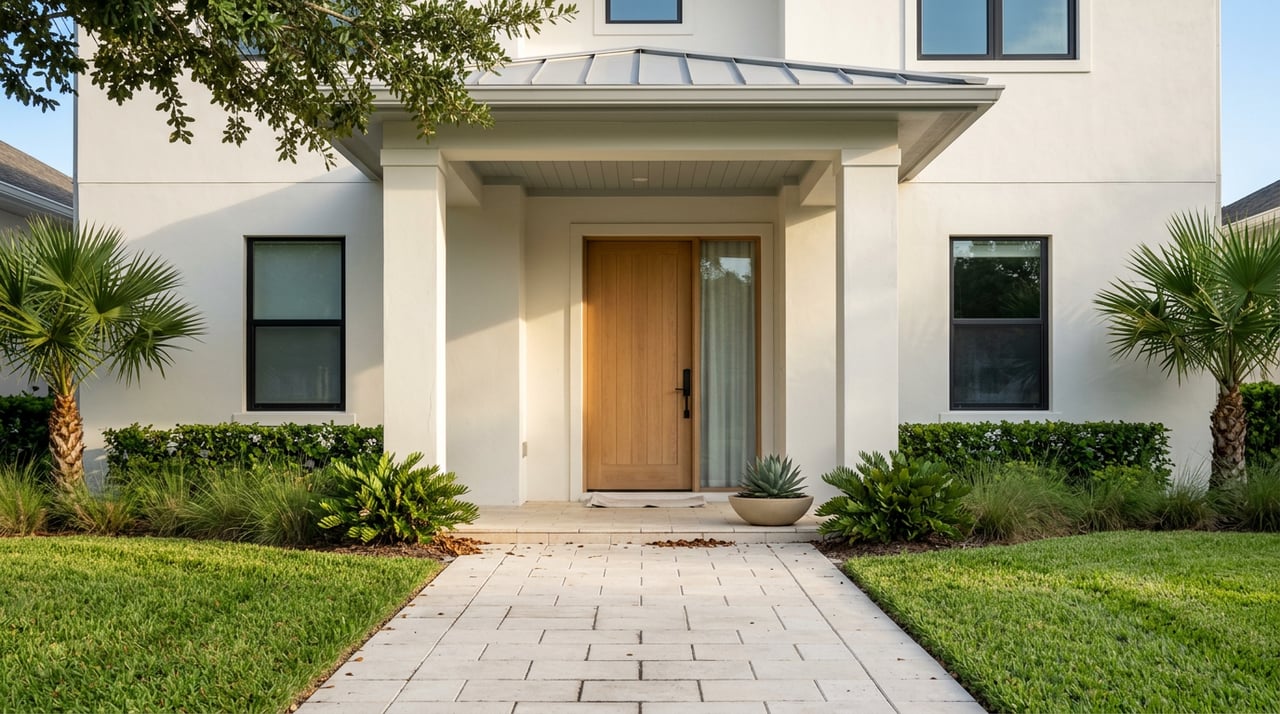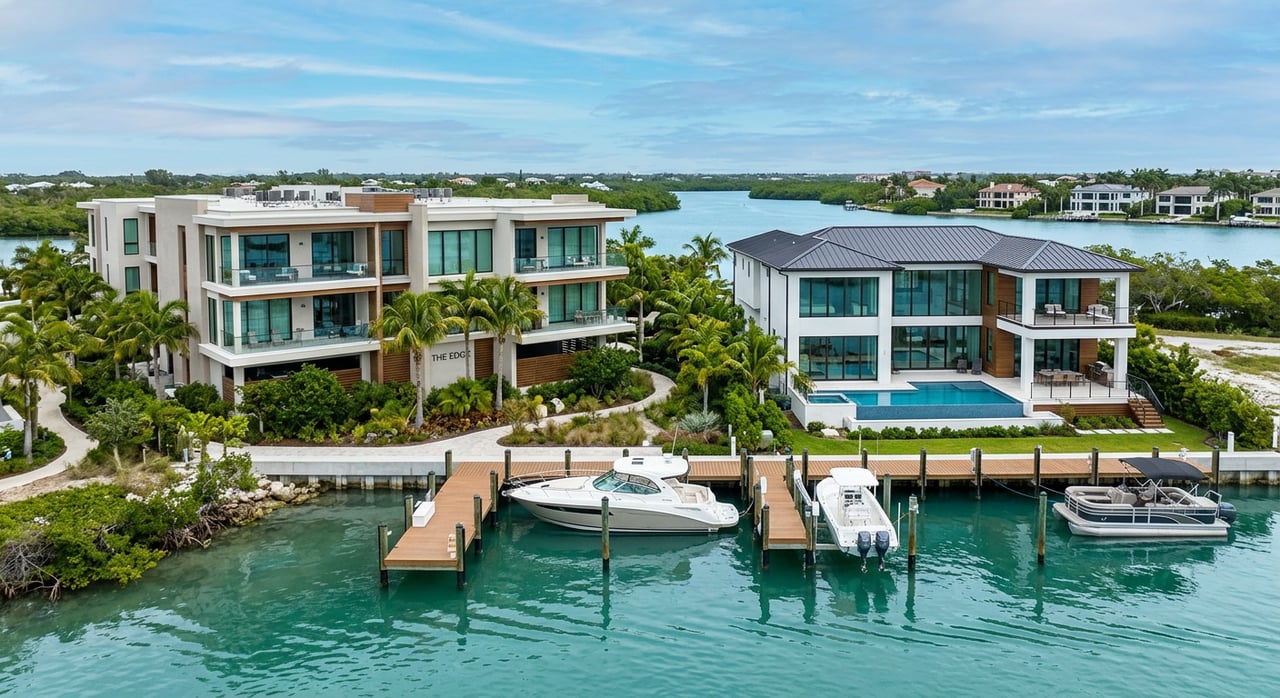
Do you picture sunrise paddles on St. Joseph Sound or golden-hour sunsets from your balcony? If Dunedin waterfront living is on your radar, your first big choice is condo or single-family home. The path you choose will shape your budget, boating access, insurance needs, rental options, and long-term value.
In this guide, you’ll get a clear, Dunedin-specific comparison of condos and homes, plus the rules and costs that matter most on the water. You’ll also find a simple checklist to use before you write an offer. Let’s dive in.
How Dunedin’s waterfront market stacks up
Waterfront in Dunedin commands a premium. Citywide, typical home values sit in the mid to high $300Ks to low $400Ks, but downtown and immediate waterfront neighborhoods trade higher. Waterfront condos with strong amenities and location often list from the mid $400Ks to the $700Ks, with fees that vary by building. Single-family waterfront homes and townhomes attract buyers who want private docks, lifts, and yard space.
Activity patterns vary by neighborhood. Properties in walkable, coastal locations often sell faster than those farther inland. Exact pricing and days to sell depend on micro-location, water access, and building age, so plan on property-specific comps when you get serious.
Lifestyle trade-offs: condos vs homes
What you get with a waterfront condo
- Lower day-to-day maintenance, since the association handles exterior upkeep and common areas.
- Amenities like pools, fitness rooms, and in some cases shared marinas or deeded slips.
- A lock-and-leave setup that appeals to downsizers and second-home buyers.
- Governance and cost sharing through an association. You trade some control for convenience. In Florida, Chapter 718 outlines how condominiums handle responsibilities and reserves. You can review the framework in Florida Statutes Chapter 718.
What you get with a waterfront home or townhome
- Control of your waterfront improvements, including docks, lifts, and seawalls.
- Private outdoor space and fewer shared decisions.
- More responsibility for maintenance and permitting. Marine work in Florida often needs local and state approvals. Get familiar with timelines and costs using this Florida waterfront permitting guide.
Costs you can expect
Monthly fees vs direct upkeep
Condos: Monthly association fees vary widely. In Dunedin waterfront buildings, you’ll often see fees ranging from about $400 to more than $900. These can include building insurance, some flood coverage through the master policy, exterior maintenance, water and sewer, trash, and reserves. You will still carry an HO-6 policy for interiors and personal property, and you may want an assessment coverage endorsement. The National Flood Insurance Program treats condo buildings through an RCBAP master policy, while unit owners insure interiors separately. For flood map lookups and quotes, start with the FEMA Flood Map Service Center.
Homes: No master condo fee. You budget directly for exterior upkeep, landscaping, and all waterfront elements. Expect ongoing dock, lift, and seawall maintenance and plan ahead for replacements as needed.
Property taxes and local fees
Property taxes in Pinellas County are based on taxable value and millage rates, with homestead exemptions available for primary residences. For an estimate on a specific parcel, use the Pinellas County Property Appraiser tax estimator.
Insurance realities
Flood insurance is risk-based and varies by elevation, foundation, and distance from the water. Coastal properties can see higher premiums. If you are buying a condo, confirm whether the association’s policy is all-in or walls-out, what the windstorm deductible is, and whether you need extra coverage for potential assessments. If you are buying a home, request NFIP and private flood quotes during your inspection period. Map the property’s zone on the FEMA Flood Map Service Center to understand baseline risk.
Renting rules to know
Short-term rentals are not a given in Dunedin. The city treats transient rentals as a commercial use and allows them only in certain zoning districts, with a registration requirement. Before you assume rental income, confirm the property’s zoning and whether transient rentals are permitted on the City of Dunedin zoning page.
Associations also set rules. Many condo and HOA documents limit rentals with minimum lease terms or waiting periods after purchase. Always request the current rental policy, application process, and any caps before you commit.
If you plan to rent, you must handle taxes. Operators collect and remit Florida sales tax and the Pinellas County tourist development tax. Get requirements and registration details from the Pinellas County Tax Collector.
Boating access and slips
Municipal options
Dunedin’s municipal marina has been a community anchor for decades. It offers roughly 192 slips in its configuration and has been under phased repair and restoration after storm damage. If you need a city slip, verify current availability, waitlists, and ramp status with the Harbormaster using the Dunedin Marina page.
For casual outings and small craft, the Dunedin Causeway offers public beach access and launch areas to reach Honeymoon and Caladesi. Some launch spots are sand, and parking can be limited during peak times. Learn more on the Dunedin Causeway page.
Deeded slips and private docks
Many waterfront condos and townhomes in Dunedin include deeded slips or assigned spaces. Confirm in writing how the slip is owned and managed. Is it deeded to the unit, assigned by the association, or part of a marina license? Clarify who maintains pilings, docks, and seawalls, since common elements are usually the association’s responsibility, while unit interiors are the owner’s. You can reference the legal framework for responsibilities in Florida Statutes Chapter 718.
Private home buyers should confirm the permitted dock footprint, any lift equipment, and the maintenance history. Marine work often requires local permits and state approvals, and timelines can be seasonal. Review the Florida waterfront permitting guide for typical steps.
Resale and long-term factors
Condos: milestones, reserves, assessments
Florida law now requires milestone structural inspections and Structural Integrity Reserve Studies for many condo buildings that meet criteria. These rules are important for older or taller coastal buildings and can lead to higher dues or special assessments if major repairs are needed. Before you buy, request recent inspection reports, reserve studies, meeting minutes, budgets, insurance policies, and any assessment schedules. Start with the statute itself in Chapter 718 and the DBPR condominium FAQs.
Flood and climate risk
Pinellas County is low-lying and faces long-term exposure to storm surge, tidal flooding, and sea-level rise. These factors influence insurance costs and buyer confidence over time. Review the county’s Flood Vulnerability Assessment and use the FEMA map service to understand parcel-level flood zones. For a broader view, explore NOAA’s sea-level work summarized in the Sea Level Rise and Coastal Flooding Viewer overview.
Market liquidity
- Waterfront condos often attract buyers who want low maintenance, amenities, and location near downtown and the marina. Buildings with clear reserve planning and recent structural updates tend to sell more smoothly.
- Waterfront homes draw buyers who prioritize control of docks and yards. Upkeep and insurance costs are higher per owner, which can narrow the buyer pool, but you have more autonomy and fewer association variables.
Quick decision guide
Choose a waterfront condo if you want:
- Lower daily maintenance and amenity access.
- Walkability to downtown, the marina, or the Causeway.
- Predictable shared costs, even if fees can rise with capital projects.
Choose a waterfront home or townhome if you want:
- Full control of your dock, lift, and yard.
- Space for outdoor living and storage.
- Fewer association rules and more autonomy, with higher direct upkeep.
Buyer due-diligence checklist
Use this short list when you compare specific properties in Dunedin:
- Confirm zoning and rental rules. Check whether short-term rentals are allowed for the address and get the city registration steps on the Dunedin zoning page.
- For condos, request the full association packet. Ask for the declaration, bylaws, budgets, reserve study, insurance policies, loss runs, meeting minutes, and any milestone or SIRS reports referenced in Chapter 718.
- Get exact monthly fee details or maintenance estimates. For condos, ask what fees include and review a sample invoice. For homes, get written estimates for dock, lift, and seawall upkeep or replacement.
- Check the flood zone and get insurance quotes. Pull the parcel on the FEMA Flood Map Service Center, then obtain NFIP and private flood quotes and a homeowner or HO-6 quote that shows how master policies and deductibles apply.
- Verify boat access and slip ownership. If a slip is included, confirm if it is deeded or assigned and who maintains it. If you plan to use municipal facilities, review current status and waitlists on the Dunedin Marina page.
- Register for rental taxes if you plan to host guests. Learn county-level tourist tax requirements on the Pinellas County Tax Collector site.
- Estimate property taxes. Use the Pinellas County Property Appraiser tax estimator for parcel-level projections and confirm exemptions.
- Plan for long-term risk. Review the county’s flood vulnerability assessment and discuss sea-level exposure and future insurability with your insurer.
Next steps
Waterfront living in Dunedin comes in many flavors, from easygoing condo life near the marina to private canal-front homes with a lift ready for your boat. The right fit depends on how you want to spend your time, the kind of control you need on the water, and how you weigh monthly fees against direct upkeep.
If you want help matching your lifestyle and budget to the best streets, buildings, and water access, our team is here. We combine deep local knowledge with a polished, organized process that makes coastal buying feel simple. Ready to explore the best options on the water in Dunedin? Start your search with the Kathie Lea Team.
FAQs
What are typical Dunedin waterfront condo fees?
- Many Dunedin waterfront condos show fees from about $400 to more than $900 per month, often covering building insurance, exterior maintenance, water and sewer, trash, amenities, and reserves, with exact inclusions varying by building.
How do Dunedin short-term rental rules affect a waterfront purchase?
- The city allows transient rentals only in certain zoning districts and requires registration, so always confirm the parcel’s zoning and process on the Dunedin zoning page before assuming rental income.
Do I need flood insurance on a Dunedin waterfront property?
- Flood insurance is strongly recommended and may be required by lenders; check the parcel’s zone and get quotes using the FEMA Flood Map Service Center during your inspection period.
How can I get a municipal boat slip in Dunedin?
- Availability changes as the marina undergoes phased restoration; contact the Harbormaster and review current information and waitlists on the Dunedin Marina page.
What condo documents should I request before buying on the water?
- Ask for the declaration, bylaws, budget, reserve study, insurance policies, meeting minutes, and any milestone inspection or SIRS reports referenced in Florida Statutes Chapter 718 and the DBPR condo FAQs.
How do property taxes work in Pinellas County?
- Taxes are calculated from taxable value and millage rates; for a quick estimate on a specific property, use the Pinellas County Property Appraiser tax estimator, and confirm any homestead exemptions for primary residences.