If waterfront living only works when your boat fits your lifestyle, Island Estates deserves a closer look. This Clearwater neighborhood is built around the water, but buying here takes more than falling in love with a canal view or a sunset balcony. You need to understand access, navigation, home styles, and permit realities before you make a move. Here’s what to know so you can evaluate Island Estates with clarity and confidence. Let’s dive in.
Island Estates at a Glance
Island Estates is in Clearwater, in Pinellas County, just off Island Way north of Memorial Causeway between Clearwater Beach and downtown. According to the City of Clearwater, the neighborhood covers about 210 acres of dredge-and-fill islands and peninsulas, and almost every property has a waterfront orientation.
That setting gives Island Estates a very different feel from a typical inland subdivision. Instead of a standard street grid and uniform lot pattern, you’ll find a layout shaped by canals, seawalls, docks, and water views. If your goal is coastal living with direct access to the boating lifestyle, that is a major part of the appeal.
Waterfront Living Feels Different Here
The City of Clearwater describes Island Estates as primarily residential, with single-family homes as the dominant use. At the same time, the neighborhood also includes commercial conveniences such as a marina, grocery store, restaurants, banks, and offices.
That combination matters in day-to-day life. You get a residential setting with practical services nearby, while still staying close to Clearwater Beach and downtown Clearwater. For many buyers, that balance supports both full-time living and second-home use.
Access Is Simple but Limited
One of the neighborhood’s defining features is that it has a single vehicular ingress and egress via Memorial Causeway. The city notes that congestion on Memorial Causeway directly affects access to Island Estates.
In practical terms, that means location convenience is tied closely to traffic timing. If you are comparing Island Estates to other waterfront areas, it helps to think beyond the property itself and consider how often you’ll be going on and off the island, especially during busy beach hours or seasonal peaks.
Boating Access Starts With the Channels
For boaters, the biggest question is not just whether a home is on the water. It is how usable that water access is for your specific vessel. NOAA identifies Clearwater Harbor as part of the Intracoastal Waterway, with a dredged channel leading from the Gulf through Clearwater Pass to the ICW junction.
NOAA also notes a side channel that leads north along the east side of Clearwater Beach Island to the turning basin at the west end of Memorial Causeway. These channels are marked by lights and daybeacons, which helps with navigation, but route details still matter when you are matching a property to your boating needs.
Depth Matters More Than Assumptions
NOAA lists the federal ICW project channel at 9 feet deep and 100 feet wide, but it also warns that shoaling can happen between dredging cycles. Outside the waterway, Clearwater Harbor is mostly shoal, with natural channels varying roughly from 5 to 14 feet deep.
This is one of the most important takeaways for buyers. If you own a larger boat, or plan to buy one, broad assumptions about “deep water” can lead to expensive mistakes. Current charts, actual route conditions, and property-specific dock access matter far more than a general neighborhood label.
Current Can Affect Docking
Water movement is another factor many buyers do not think about until they need to dock in wind or tight quarters. NOAA says the tidal current near Clearwater Pass averages about 1.2 knots, while the current near Clearwater Memorial Causeway averages about 0.4 knots.
Those numbers may seem small on paper, but they can shape how easy or stressful slip entry feels. If boating is central to your lifestyle, it is worth evaluating not just the dock itself, but the route and conditions you will navigate regularly.
Marina and Public Dock Options
The City of Clearwater Marine & Aviation Department manages a range of boating infrastructure in the area. That includes Island Estates Marina, Clearwater Marine Aquarium boat slips, Clearwater Beach Marina, Clearwater Harbor Marina, the Seminole Street Boat Ramp, the Clearwater Beach boat ramp, Clearwater Recreation Center public day docks, and the Island Way Grill public day docks.
The city also states that Clearwater Harbor Marina is accessible from the Intracoastal Waterway at the Memorial Causeway Bridge, and that the department maintains more than 200 navigational and regulatory markers. For buyers who want a mix of private and public boating options, that municipal support adds useful flexibility.
Public Slips on Island Estates
Island Estates also offers public slips behind Island Way Grill. The city says these slips are available daily on a first-come, first-served basis.
That will not replace the value of a private dock for every buyer, but it does add convenience for short stops and outings. It is another example of how Island Estates is built around the water in both private and public ways.
Bridge Clearance Can Change Your Search
If you are shopping for a waterfront home with a boat, bridge clearance should be one of your first filters. NOAA lists the Clearwater Memorial Causeway Bridge as a fixed span with 74 feet of vertical clearance at mean high water.
For many cruising boats, that main bridge is not especially restrictive. NOAA also lists the Belleair Causeway fixed bridge at 75 feet, which provides a helpful local comparison point for larger-route planning.
The Smaller Clearance to Watch
A more important pinch point for some routes is the fixed bridge across Mandalay Channel at the west end of the Memorial Causeway turning basin. NOAA lists that bridge at 14 feet of clearance at center.
For buyers with lower air draft concerns on side routes, that number can matter much more than the main bridge clearance. In short, it is not enough to ask whether a property is waterfront. You also want to know which route your boat will actually use and whether any lower-clearance side channels affect that path.
Permits Matter for Docks and Improvements
Many waterfront buyers picture upgrading a dock, adding a lift, or improving shoreline features after closing. In Island Estates, those plans need to be checked against local permitting rules early.
Pinellas County states that it handles permits for private single-family docks, multi-use docks, commercial docks, marinas, seawalls, riprap, tie poles, and all dredging or filling within county waters. Applications go through the Pinellas County Access Portal, and the City of Clearwater requires pre-approval before a dock application is submitted to the county.
Boat Lifts Need Separate Review
The City of Clearwater also notes that boat lifts are not covered by the marine or dock permit. Instead, they require a building permit plus additional documentation.
That is a key detail for buyers comparing properties with older docks or planning future improvements. Before you assume a change will be simple, it helps to confirm what approvals may be needed and whether the existing setup already matches your goals.
Homes and Condos Offer Two Distinct Lifestyles
The official neighborhood plan says Island Estates includes everything from large single-family homes to multi-story, multi-unit condominiums. In the multi-family areas, housing can range from duplexes and triplexes to larger condo buildings with hundreds of residents.
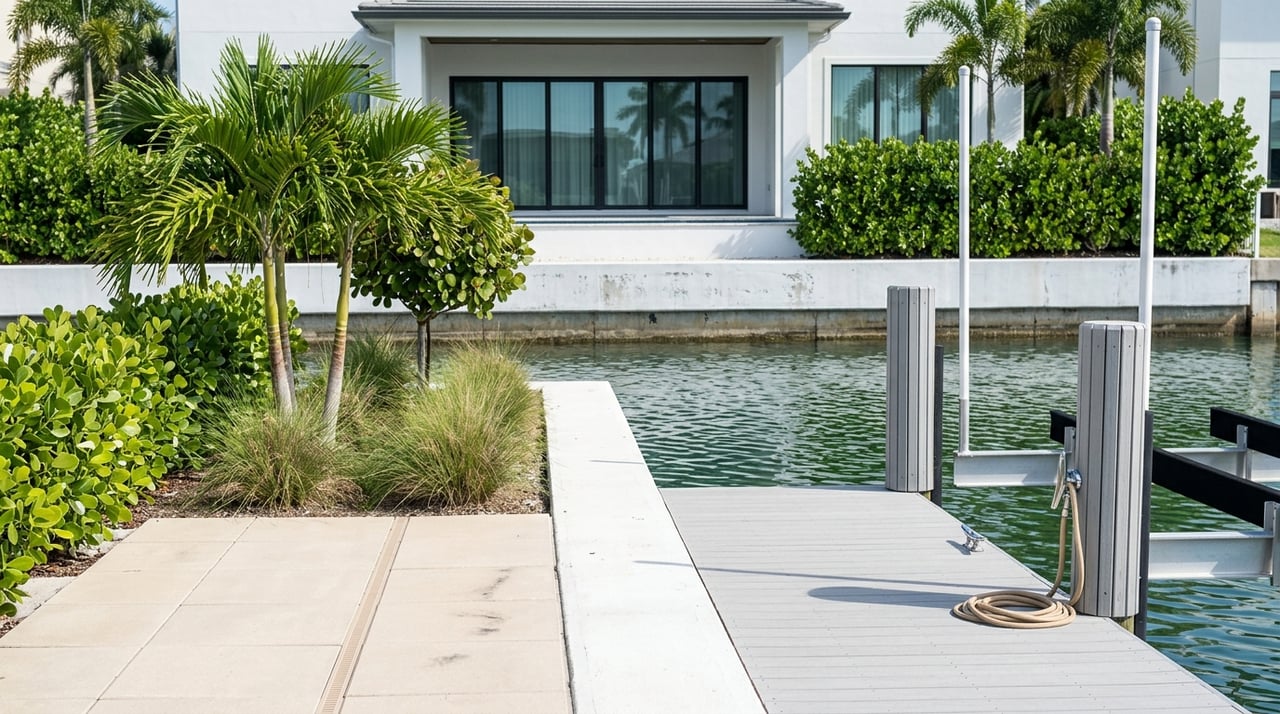
That creates a broad housing mix, but the market generally falls into two practical categories. On one side, you have single-family waterfront homes with private docks and seawalls. On the other, you have condos with association-based ownership and shared waterfront amenities.
Older Homes and Newer Rebuilds
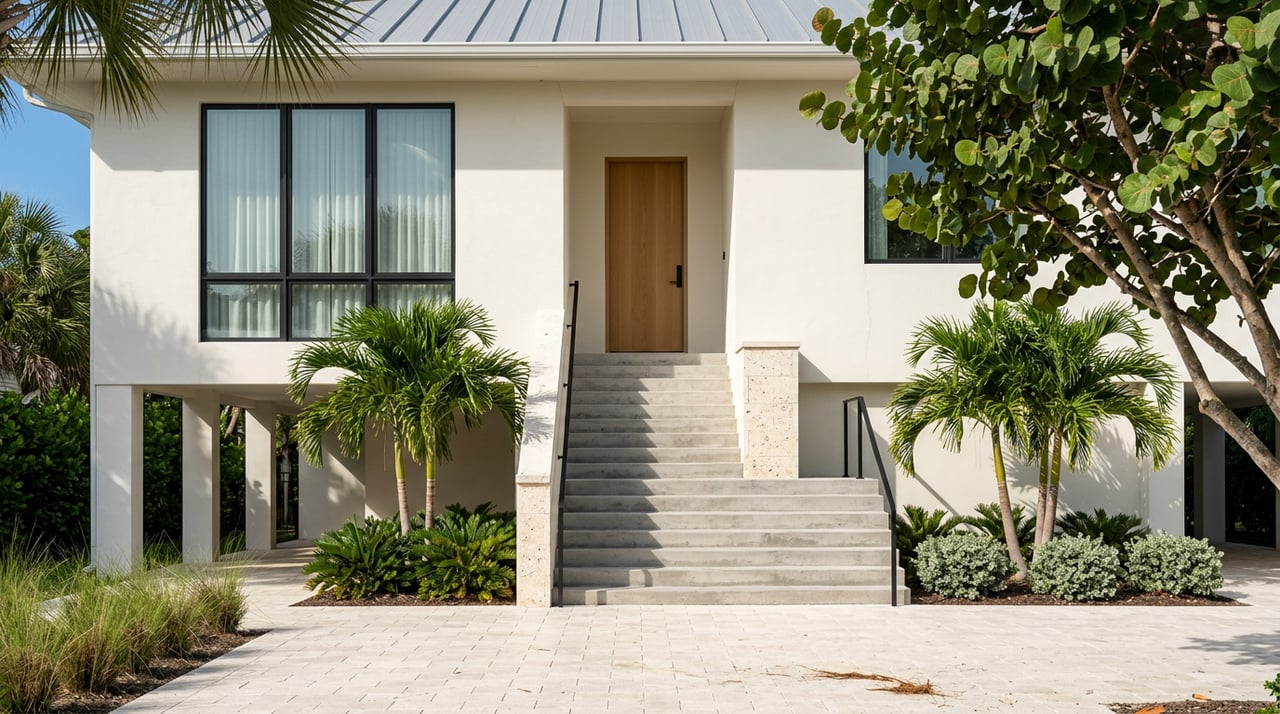
The city notes that most single-family homes in Island Estates were built before 1970. It also reports a trend toward tearing down older homes and replacing them with newer, larger homes.
For you as a buyer, that means showings can vary a lot from one block to the next. You may tour a classic waterfront property with original features, then step into a newer elevated custom home next door. That mix is part of the neighborhood’s current character.
Design Rules Shape the Streetscape
The neighborhood overlay standards also influence what buyers see on site. The city says single-family principal structures are limited to 30 feet above base flood elevation, waterfront rear setbacks are 25 feet, and fences between the rear building line and the seawall must be non-opaque.
These rules help explain the open visual feel near the water. They also matter if you are thinking ahead about remodeling, rebuilding, or privacy features.
Best Questions to Ask Before You Buy
In a waterfront neighborhood like Island Estates, the smartest buyers look past surface-level appeal and focus on how the property works in real life. A beautiful dock or wide canal view only helps if it fits your boating habits, ownership plans, and long-term goals.
As you narrow your search, keep these questions in mind:
- What is your boat’s air draft?
- What route would you use most often to reach open water?
- What are the current channel depths on that route?
- What is the length and condition of the private dock or assigned slip?
- Are you planning to add a boat lift or modify the dock?
- Does the property’s value to you depend on private boating access, shared amenities, or both?
- How comfortable are you with Memorial Causeway as the neighborhood’s main access point?
Why Island Estates Appeals to Waterfront Buyers
Island Estates stands out because it puts water access first. The official planning documents emphasize the waterfront setting, the limited access point, and the mix of single-family homes and condos, all of which shape daily life here.
For some buyers, that means a private dock and quick access to the Intracoastal Waterway. For others, it means condo living with a marina-oriented setting near Clearwater Beach and downtown. Either way, Island Estates is best understood as a lifestyle-driven waterfront market, not a one-size-fits-all neighborhood.
If you are looking at Island Estates, the right guidance can help you sort through boating access, property fit, and the small details that make a big difference on the water. When you’re ready to explore the neighborhood with a local team that understands Clearwater waterfront real estate, start your search with the Kathie Lea Team.
FAQs
What makes Island Estates different from other Clearwater neighborhoods?
- Island Estates is a water-oriented Clearwater neighborhood made up of dredge-and-fill islands and peninsulas, with almost every property tied to the waterfront setting.
What should boaters check before buying in Island Estates?
- Boaters should review vessel air draft, channel depth, route clearances, dock or slip condition, and whether future dock or lift changes may require local permits.
What bridge clearance matters for Island Estates boating access?
- NOAA lists the Clearwater Memorial Causeway Bridge at 74 feet of vertical clearance at mean high water, but some side routes involve lower-clearance areas such as the Mandalay Channel bridge at 14 feet.
What kinds of homes are available in Island Estates?
- Island Estates includes single-family waterfront homes, duplexes, triplexes, and condominium buildings, with a mix of older homes and newer replacement construction.
What should buyers know about Island Estates traffic access?
- The City of Clearwater says the neighborhood has one vehicular access point via Memorial Causeway, so traffic congestion on that route can directly affect daily travel to and from Island Estates.