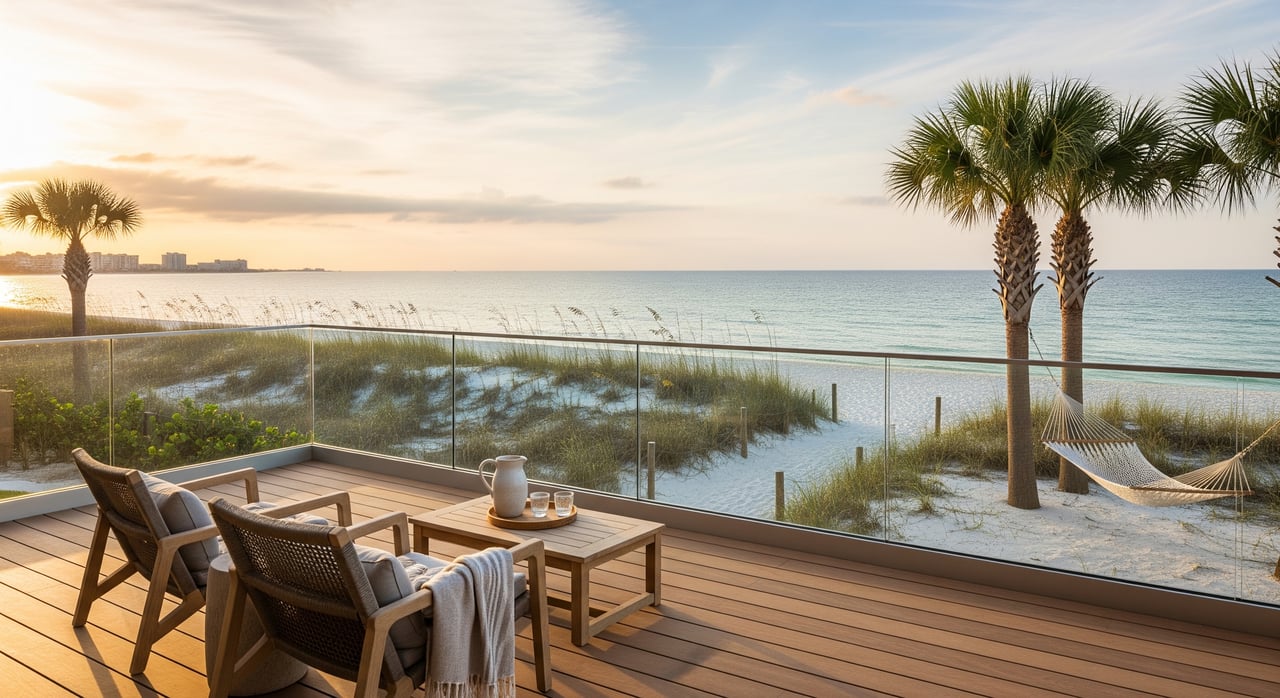
Ever notice how the same beach feels different when you live there? Clearwater Beach is one of those places. You get walkable sunsets and world-class sand, but daily life also means causeway traffic patterns, HOA rules, and storm prep that visitors never think about. In this guide, you’ll learn what locals watch, how housing really works, and which checks to run before you buy. Let’s dive in.
Clearwater Beach in context
Clearwater Beach sits on a barrier island within the City of Clearwater in Pinellas County. The island is connected to the mainland by causeways and bridges, and it relies on city services and county resources for things like utilities, parking, and emergency planning. For rules, permits, and municipal services, start with the City of Clearwater and Pinellas County websites:
- Explore city services and codes on the official City of Clearwater site.
- Review county-level resources, taxes, and public services through Pinellas County.
Living on a barrier island shapes daily life. You enjoy water views and walkable fun, yet you also plan around bridges, peak visitor seasons, and coastal weather.
Homes and buildings on the island
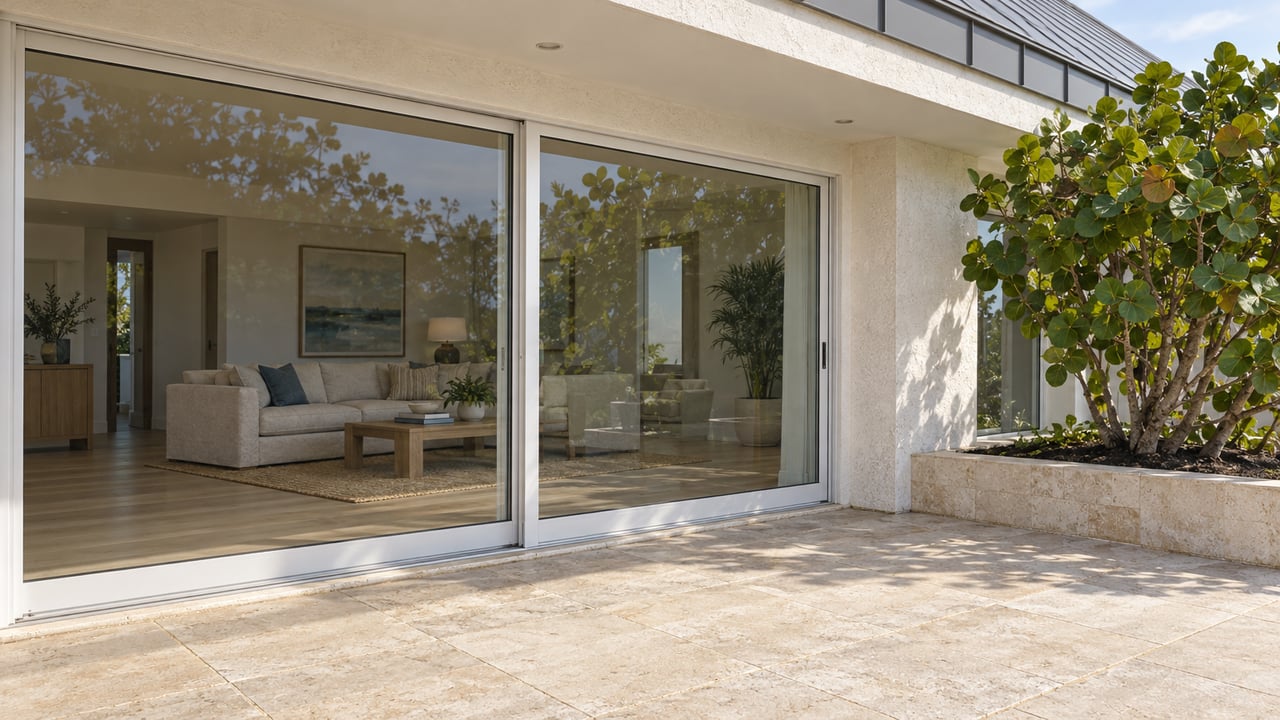
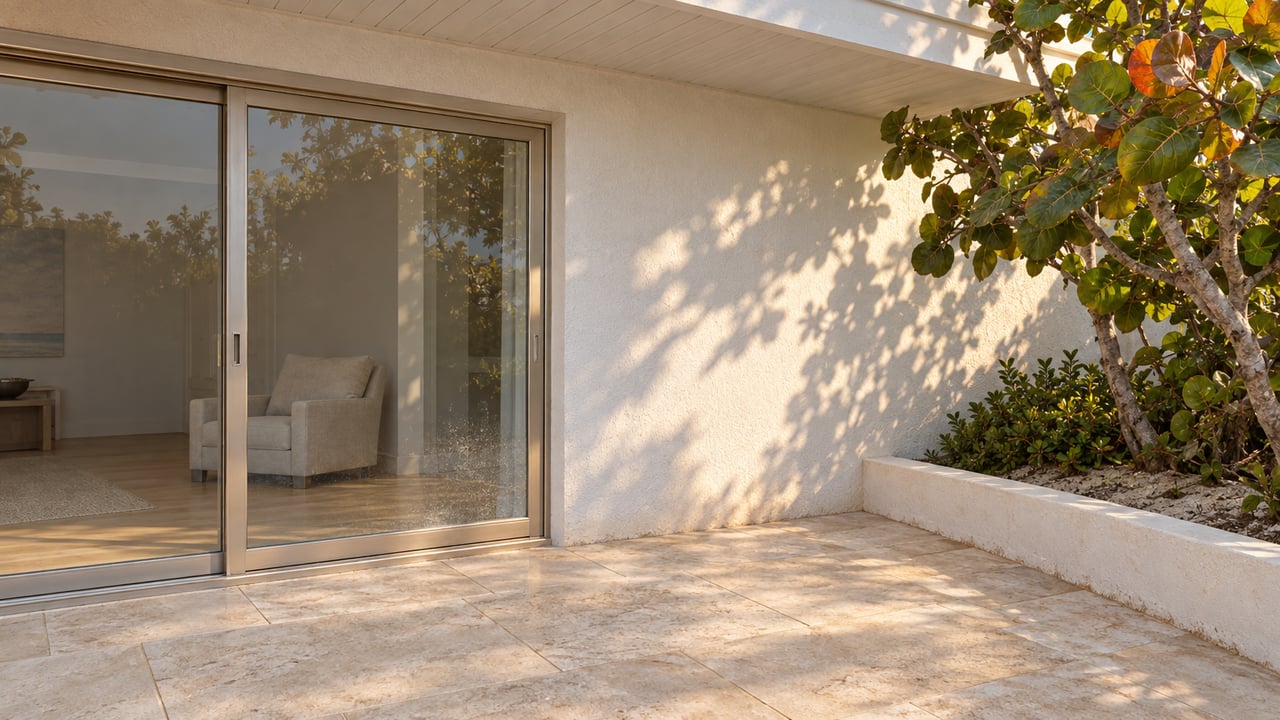
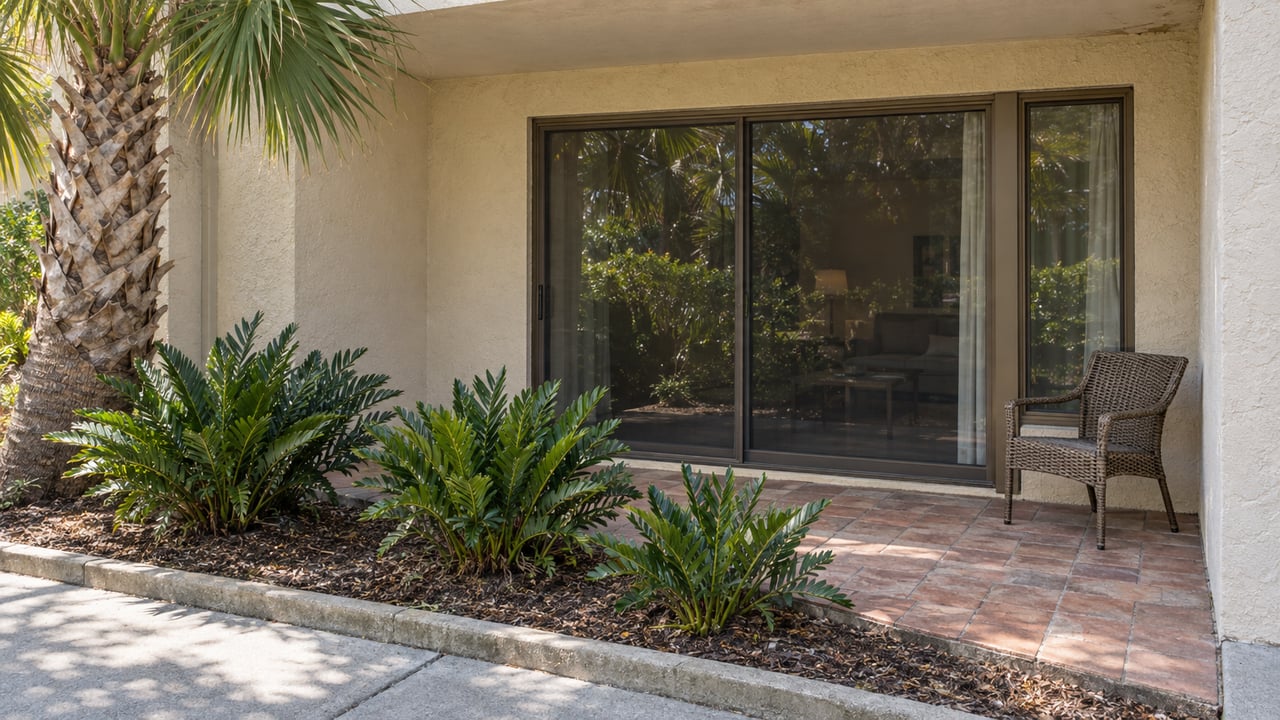
Condos dominate. High-rise and mid-rise buildings line the Gulf and Intracoastal sides, with older garden-style condos and a limited number of single-family homes and townhomes. Single-family homes are scarce and often carry a premium compared to condos.
Most buildings have HOAs that manage common areas, insurance requirements, budgets, and leasing rules. Some condos are designed with vacation rentals in mind, while others limit rentals or require longer lease terms. If you are aiming for seasonal use or income, confirm the building’s leasing language upfront.
For verified parcel data, tax assessments, and legal descriptions, check the Pinellas County Property Appraiser.
Getting around and daily errands
Clearwater Beach is compact and very walkable for leisure. You can step out to Pier 60, restaurants, and shops along Mandalay Avenue and Gulf Boulevard. For larger grocery runs, pharmacies with wider inventory, and major medical services, expect a quick drive to the mainland.
Parking is a reality check. During peak season, weekends, and special events, on-island parking fills fast and rates climb. Residents often rely on assigned garage spaces or HOA lots. For public options and regulations, review City of Clearwater parking information via the city’s official site.
Public transit exists, but it is not like a dense urban rail network. Regional bus routes and shuttles serve the area, and many residents still prefer to keep a car for mainland errands.
Seasonality, crowds, and noise
Peak season is real. Winter months from roughly November through April see snowbirds, spring break periods, and event traffic. Summer brings beachgoers too, but the rhythm is different from winter’s out-of-state visitors. Locals plan errands for mornings or weekdays, book restaurants ahead, and keep an eye on event calendars.
- Check local event calendars through Visit St. Pete/Clearwater for concerts, festivals, and holiday weekends that can affect traffic and noise.
- The City of Clearwater also posts event information and notices that may affect parking and road access.
Noise varies block by block. Streets near Mandalay Avenue and event venues tend to be livelier late into the evening. Interior streets, higher floors, and buildings set back from nightlife zones can be quieter. City ordinances govern hours and permitted noise levels, so review local guidelines on the City of Clearwater website if you are sensitive to sound.
Weather, storms, and insurance realities
Barrier island living requires storm awareness. Clearwater Beach faces risks from tropical systems, coastal flooding, and storm surge. Insurance and building requirements reflect that reality.
- Know your flood zone. Use the FEMA Flood Map Service Center to look up a property’s designation and ask sellers for any elevation certificates.
- Review county emergency guidance. Pinellas County Emergency Management outlines evacuation zones, shelter information, and storm preparation steps.
- Track storm outlooks and advisories during hurricane season with the National Hurricane Center.
Insurance costs vary by building, elevation, and construction type. You will likely evaluate separate flood and wind coverage with deductibles that differ for named storms. Get quotes early, ask about historical claims, and confirm a carrier’s underwriting criteria. For statewide market updates and consumer guidance, consult the Florida Office of Insurance Regulation.
HOAs, rentals, and taxes
HOA rules matter. Confirm leasing minimums, seasonal restrictions, pet policies, reserves, and any pending or recent special assessments. If you plan to rent your unit, verify that the building allows it and that you can meet City of Clearwater transient rental rules and any county-level requirements.
Short-term rental activity can trigger tourist development taxes and licensing responsibilities. Pinellas County provides guidance on tourist taxes. Always align HOA permissions with city and county rules before you underwrite rental income.
Property taxes are managed at the county level. If you intend to establish primary residency, review Florida’s homestead exemption and how it may reduce your tax liability.
Maintenance and building standards
Coastal living means salt air, which accelerates wear on HVAC equipment, exterior finishes, and metal components. Many older buildings have completed envelope repairs, concrete restoration, or balcony projects. When buying, request recent engineering or inspection reports and review HOA budgets and reserve studies.
New construction and major repairs follow the Florida Building Code, which includes wind-resistance standards. Learn more through the Florida Building Commission to understand why certain materials, window systems, and roof designs are common along the coast.
Schools and services
Clearwater Beach falls under Pinellas County Schools. Because attendance boundaries can change, use official boundary maps and the district’s school finder tools on the Pinellas County Schools website to confirm assignments for a specific address.
Healthcare is accessible on the mainland within a short drive, with urgent care, primary care, and specialty providers available in multiple directions. As you shortlist properties, map your preferred doctors and hospital systems to gauge drive times during peak periods.
A resident-style buyer checklist
Use this quick list to evaluate properties like a local. None of this replaces legal advice, but it will help you focus your due diligence.
- Flood zone and elevation
- Confirm the current FEMA flood zone for the specific address and ask for any elevation certificates.
- Review Pinellas County Emergency Management guidance on evacuation zones and routes.
- Insurance and building condition
- Obtain quotes for property, wind, and flood insurance early.
- Request recent building inspection or engineering reports, roof details, and any concrete restoration history.
- HOA governance and costs
- Review bylaws, budgets, reserve studies, rental rules, meeting minutes, and any pending litigation.
- Verify assigned parking, guest parking, storage, and boat slip options if needed.
- Rules and taxes
- Confirm City of Clearwater requirements for short-term or seasonal rentals and match them with HOA rules.
- For property records and assessments, use the Pinellas County Property Appraiser.
- If renting short term, review county tourist tax requirements through Pinellas County resources.
- Daily logistics
- Test drive to mainland groceries, pharmacies, and medical providers at different times of day.
- Check the City of Clearwater website for parking policies and event notices that affect weekend access.
Your next step
If Clearwater Beach fits your lifestyle, your next move is to align a property’s location, building profile, and rules with your long-term goals. That means confirming HOA and city requirements, budgeting for insurance and maintenance, and timing your visits around real crowd patterns. A local advisor helps you separate postcard moments from day-to-day reality.
The Kathie Lea Team pairs deep Clearwater Beach expertise with a full-service process for waterfront buyers and sellers. From property tours and due diligence to negotiation and closing coordination, we help you move with clarity. When you are ready, reach out to the Kathie Lea Team to start your home search.
FAQs
Is Clearwater Beach good for year-round living?
- Yes. Many residents live on the island full time. Plan for causeway traffic in peak months, mainland trips for larger errands, and coastal insurance and maintenance.
What types of homes are most common on Clearwater Beach?
- Condominiums are most common, with both high-rise and mid-rise buildings. Single-family homes and townhomes exist but are limited and often carry a premium.
How busy does Clearwater Beach get in winter?
- Winter and early spring are peak seasons with snowbirds and events. Expect more traffic, longer restaurant waits, and limited parking on weekends and holidays.
Where can I check a property’s flood risk?
- Look up the address in the FEMA Flood Map Service Center, then review evacuation guidance through Pinellas County Emergency Management and monitor storms through the National Hurricane Center.
How do I verify if short-term rentals are allowed?
- Confirm both the condo HOA’s leasing rules and City of Clearwater requirements. You may also need to comply with county tourist tax rules if you operate short-term rentals.
Who assigns schools for Clearwater Beach addresses?
- Pinellas County Schools manages assignments. Use the district’s official boundary tools on the PCS website to confirm the correct schools for a specific property.