Thinking about selling your Indian Rocks Beach home but not sure when to list? Timing can impact how fast you sell and the price you achieve, especially in a beach market shaped by tourism and seasonal travel. You want a plan that fits local buyer patterns, weather realities, and your own goals. In this guide, you’ll learn the best months to list, a month-by-month action plan, and photo and showing tips tailored to beach properties. Let’s dive in.
Why timing matters in Indian Rocks Beach
Indian Rocks Beach is part of a tourism-driven Gulf Coast market. Buyer activity rises when seasonal visitors and out-of-state buyers are in town, which generally aligns with winter and early spring. Local buyers, second-home shoppers, and investors each move on different timelines, so the right strategy depends on who you want to attract.
Weather also plays a role. Hurricane season runs from June 1 to November 30, with peak activity often in August through October. Storms can slow showings and inspections, so it helps to plan around these windows when you can.
Best months to list
- Primary sweet spot: February through April. You’ll align with peak buyer traffic and capitalize on snowbird season. Listing in late January or early February helps you get in front of early arrivals.
- Secondary window: Early November to early December. Seasonal visitors start returning, though holiday schedules can limit showings later in the month.
- Use caution: August through October. Buyer activity often slows, and weather risks can cause delays.
- Summer considerations: June and July can be slower for out-of-state buyers, but some local demand exists. Heat, humidity, and rental occupancy can complicate showings.
Who is buying and when
- Seasonal residents and second-home buyers: Most active November through April, especially January to March.
- Investors: Often shop year-round and may look for value during slower months.
- Local year-round buyers: More active in spring and early summer as schedules allow.
Month-by-month plan
Use this checklist to stay on track. Adjust for your property’s condition, rental bookings, and your timing goals.
January
- Prep: Deep clean, complete minor repairs, and service HVAC. Schedule professional photography for late January or early February.
- Market: Consider pre-listing inspections and early online marketing. An early-February launch positions you for strong exposure.
- Advantage: Snowbird arrivals increase showing potential by late month.
February
- List: This is one of the strongest listing months.
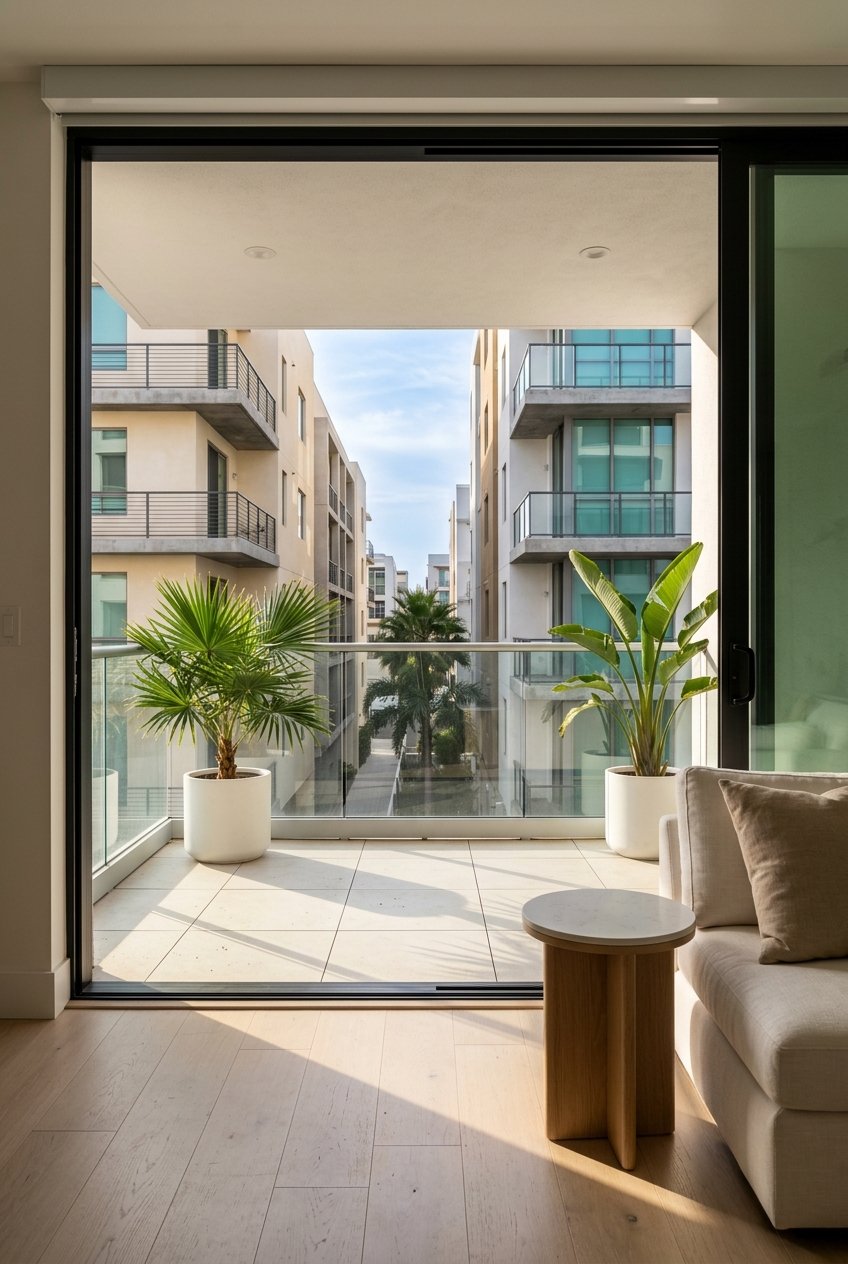
- Tactics: Highlight indoor-outdoor living, balcony views, and quick access to the beach. Schedule weekend open houses to match visitor patterns.
- Visibility: Be ready for fast showing requests from out-of-state visitors.
March
- Peak activity: Expect higher out-of-state traffic and serious second-home shoppers.
- Tactics: Emphasize water views, beach proximity, and, if relevant, rental potential with clean documentation.
- Negotiation: Well-presented listings can generate multiple showings quickly.
April
- Still strong: Many buyers finalize decisions this month.
- Tactics: Position your property for summer enjoyment or potential summer income.
- Timing: Great month to secure contracts for late-spring or early-summer closings.
May
- Transition: Buyer traffic starts to taper from spring peaks.
- Adjustments: If not under contract, refresh staging, update photos if needed, and review pricing strategy.
- Opportunity: Catch buyers who missed March and April.
June
- Considerations: Heat, humidity, and rental occupancy can impact showing access.
- Tactics: Target local and relocating buyers. Offer virtual tours to keep momentum while rentals are occupied.
- Logistics: Coordinate showings during guest turnover windows if the home is a vacation rental.
July
- Moderate activity: Family moves occur, but many buyers travel.
- Maintenance: Avoid major repairs during peak rental bookings.
- Weather: Monitor early-season storm forecasts and keep insurance documentation ready.
August
- Caution: Often slower, with buyers watching the market.
- Prep: Ensure hurricane readiness and keep exterior areas tidy to show well between storms.
- Strategy: Consider sharper pricing or incentives to engage motivated buyers.
September
- Slowest month: Many buyers pause, and weather may be unsettled.
- Make improvements: Use this time for repairs, fresh paint, and staging enhancements.
- Pricing: Reassess list price and plan a strategic relaunch for late October or early November.
October
- Transition month: Activity can pick up late in the month as storm risks ease.
- Prep: Refresh marketing materials and consider new exterior photos if summer images look worn.
- Timing: Prepare to list or re-list in late October or early November.
November
- Secondary window: Early November can be effective as seasonal visitors return.
- Scheduling: Avoid listing right before Thanksgiving to reduce holiday conflicts.
- Presentation: Emphasize move-in readiness and flexible closing timelines.
December
- Selective buyers: Fewer showings, but motivated shoppers are still active.
- Strategy: Consider a soft marketing push or hold for a January relaunch if timing allows.
- Prep: Finish maintenance and line up photography for crisp winter sky days.
Pricing and exposure strategy
Pricing and timing work together. During high-traffic months, accurate pricing and strong marketing can create faster activity. In slower months, consider tighter pricing and targeted outreach to investors and local buyers. Keep your days-on-market low by adjusting quickly if feedback reveals a mismatch between price and presentation.
To maximize exposure, focus on:
- Professional visuals that showcase views and outdoor living.
- Clear showing instructions to accommodate visitors’ tight schedules.
- Weekend open houses aligned with peak travel days.
Photography that sells beach homes
Photography is your listing’s first impression. For coastal properties, details matter.
- Timing and light: Golden hour and twilight enhance water color and exterior spaces. Low-humidity winter days often produce vivid skies and crisp views.
- Tide awareness: Schedule exterior and beach shots for low-to-mid tide to show wider sand and easier access.
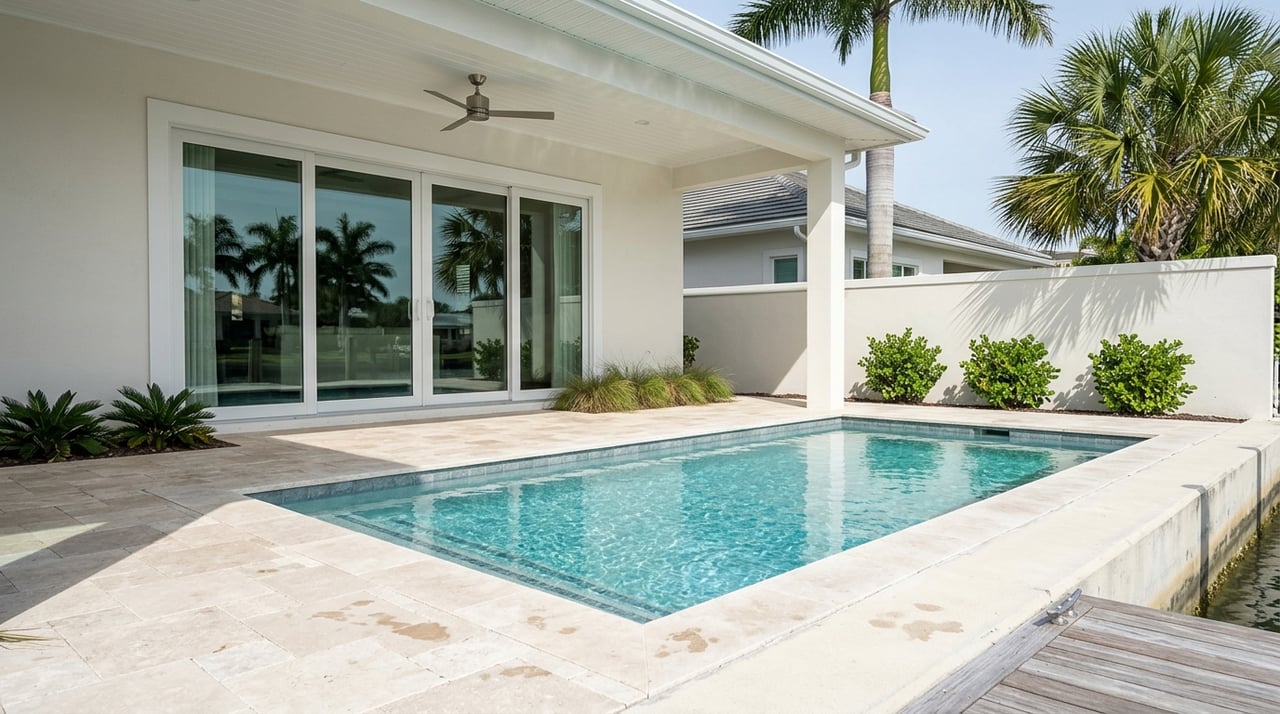
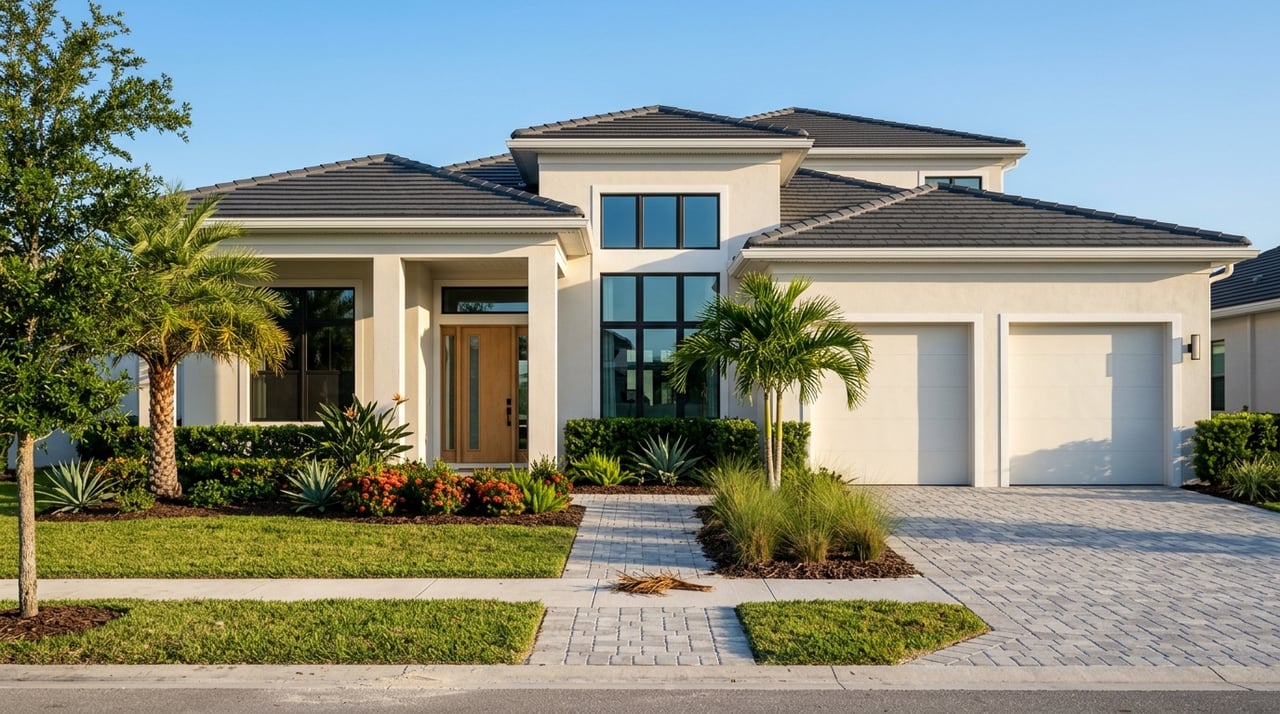
- Must-have shots: Wide exteriors that show the property’s relationship to the water, outdoor living areas, and interior angles that capture natural light and sightlines to the Gulf.
- Twilight visuals: Evening images with warm interior lighting and sunset reflections can boost online engagement.
- Aerial photos: Drone shots help buyers understand lot layout, proximity to water, and parking. Use a photographer who follows FAA and local rules.
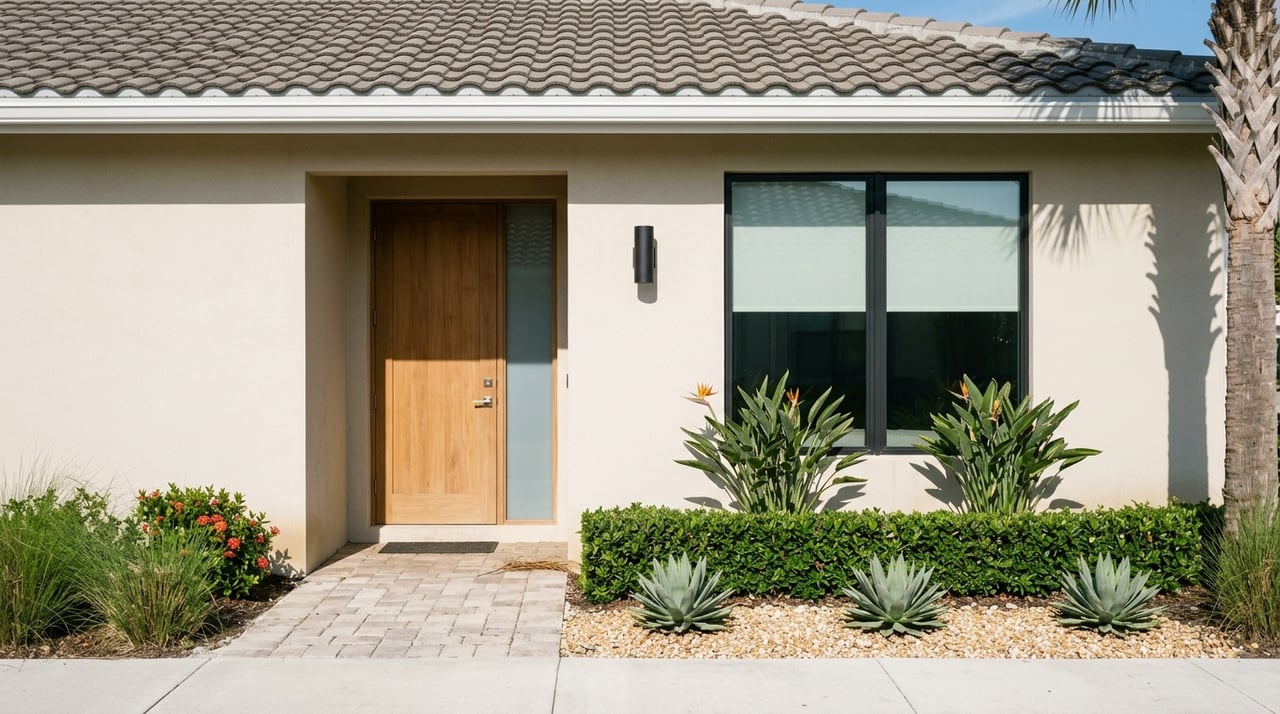
- Prep the scene: Remove beach gear clutter, power-wash walkways, and clean windows to maximize light and views. Stage with simple, weather-resistant furniture.
Showings, rentals, and local logistics
If your home is a vacation rental, showings need to work around bookings. Plan flexible windows during guest turnover and offer high-quality virtual tours to keep momentum when access is limited. Keep rental documentation organized for investors, including a summary of bookings and expenses.
Before marketing rental income, confirm current city and county requirements for registration, permitting, and safety. Provide insurance details buyers expect for coastal homes, including flood information and wind coverage. Having recent inspections and documentation ready can reduce friction later.
Hurricane season planning
Contracts during hurricane season often require more flexibility. Build in time for inspections and appraisals in case of storm delays. Keep your property storm-ready throughout the season and communicate contingency plans with your agent, lender, and closing team. A thoughtful plan protects your timeline and keeps buyers confident.
What to do next
- Clarify your goal and timing. Do you want the highest price, a quick sale, or a summer closing? Your answer shapes your calendar.
- Pick your launch window. If possible, target late January through April. If listing off-season, adjust pricing and marketing to your most likely buyer.
- Get market-ready now. Complete maintenance, line up professional photography, and prepare rental and insurance documents.
Ready to time your sale for success in Indian Rocks Beach? Let’s create a tailored plan, from pricing to luxury-grade marketing and transaction coordination. Connect with the Kathie Lea Team to get started.
FAQs
When is the single best month to list in Indian Rocks Beach?
- Late February through March typically captures the highest buyer traffic from seasonal visitors and out-of-state shoppers.
Should I wait until after hurricane season to sell?
- You can avoid weather-related delays by listing after October, but you’ll miss the prime winter and early-spring window when buyer activity is strongest.
What if my home is a short-term rental?
- Coordinate showings around bookings, provide clean rental documentation, and confirm current registration and permitting requirements before marketing income potential.
Do winter listing photos look good in Indian Rocks Beach?
- Yes. Clear, low-humidity winter days often produce crisp skies and vibrant water colors, especially at golden hour or twilight.
How do I handle showings during peak rental season?
- Use flexible windows during guest turnover, offer virtual tours, and keep exterior areas staged and tidy to make the most of limited access.